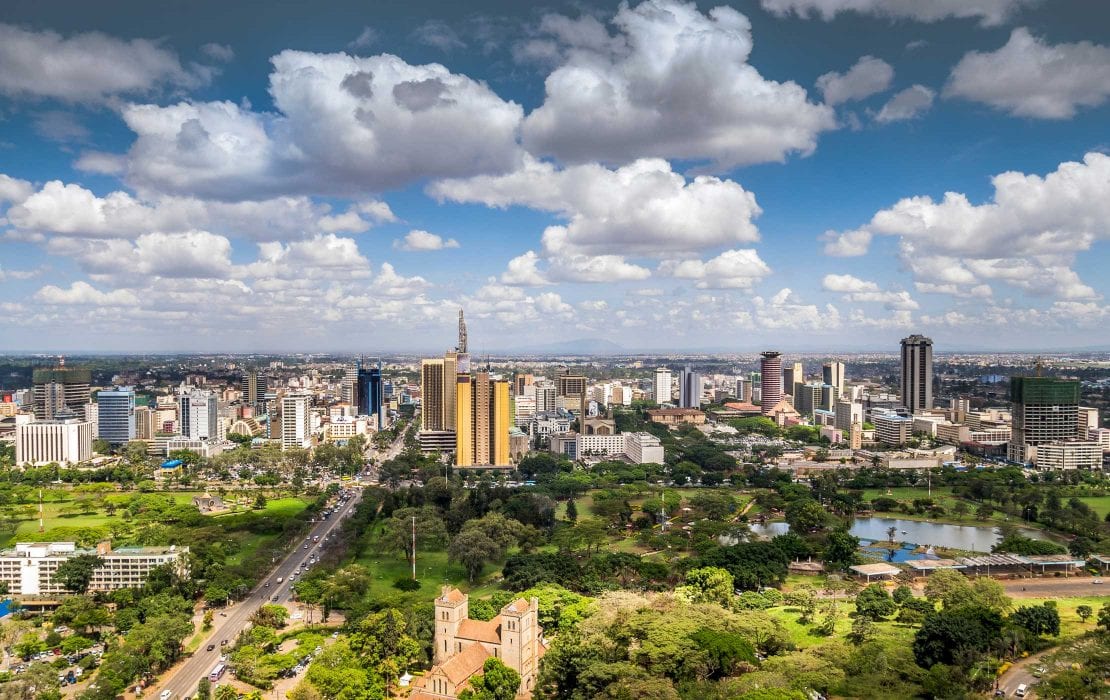
Is Nairobi Safe? The Honest 2026 Guide for Visitors, With 12 Essential Safety Tips
Nairobi is safe enough for most visitors who take sensible precautions, and millions of tourists and business travellers pass through every year without trouble. The real risks are petty crime such as phone snatching and pickpocketing, occasional violent crime, especially after dark, and street protests that can turn violent. As of November 2026, the US government rates Kenya at Level 3, “Reconsider Travel”, and advises against visiting the Nairobi neighbourhoods of Eastleigh and Kibera, while the main tourist areas such as Westlands, Kilimani, Karen and Nairobi National Park see visitors every day.
This guide gives you an honest picture of the risks, the areas to know about, the latest on travel advisories and Ebola, and practical habits that keep you safe.
Key takeaways
| What you need to know | Details (as of 17 November 2026) |
|---|---|
| Most common risk | Petty theft, especially phone snatching |
| US advisory for Kenya | Level 3, “Reconsider Travel” (raised on 19 October 2026) |
| Nairobi areas to avoid (US advice) | Eastleigh and Kibera |
| Ebola | 9 confirmed cases in Kenya, no community spread reported, last patient discharged 11 November 2026 |
| Biggest safety habit | Don’t walk after dark; use ride-hailing apps or trusted taxis |
| Protests | Avoid all demonstrations and large gatherings |
In this guide
- Is Nairobi safe? The honest answer
- What the travel advisories say (as of November 2026)
- Ebola in Kenya: the latest
- The main risks in Nairobi
- Nairobi areas: where visitors usually stay, and where to avoid
- 12 habits that keep you safe in Nairobi
- Worked example: a safe first day in Nairobi
- Is Nairobi safe for solo and female travellers?
- Is it safe to stay in an Airbnb in Nairobi?
- Pros and cons of visiting Nairobi right now
- Is Nairobi safe? FAQs
Is Nairobi safe? The honest answer
Nairobi has a reputation that scares some first-time visitors, and some of it is earned. Crime rates are higher than in many European or North American cities, and the city’s nickname “Nairobbery” didn’t come from nowhere. But the picture on the ground is more nuanced than the headlines.
Most visitors spend their time in a fairly small set of areas: the airport, hotels and apartments in places like Westlands, Kilimani, Kileleshwa and Karen, the national park, the Giraffe Centre, the elephant orphanage, malls and restaurants. These areas have plenty of security, and the vast majority of trips pass without any problem. Where people get into trouble, it’s usually from walking at night, showing valuables in busy streets or getting caught up in protests.
So the honest answer is: Nairobi is safe enough to visit if you plan how you’ll get around and follow a few firm rules. It’s not a city to wander through on foot after dark.
What the travel advisories say (as of November 2026)
On 19 October 2026, the US State Department raised its travel advisory for Kenya from Level 2 to Level 3, “Reconsider Travel”. The reasons it gives include crime, kidnapping, terrorism, unrest, health (Ebola) and road safety. In Nairobi, it advises against travel to Eastleigh and Kibera because of crime and kidnapping risk, and notes that violent protests are most common in Nairobi and western Kenya.
A Level 3 advisory sounds alarming, and you should read it in full before you decide. It’s also worth knowing what it isn’t: it isn’t a ban, flights and safaris are running, and the “Do Not Travel” areas inside Nairobi are places most tourists would never visit anyway. Other governments, including the UK, Canada and Australia, publish their own advice, which can differ. Check your own government’s latest advice, and your travel insurance terms, before you book and again before you fly.
Ebola in Kenya: the latest
Kenya confirmed its first Ebola case in early October 2026, in a traveller who arrived in Nairobi from the Democratic Republic of the Congo and later died. According to the World Health Organization, there were 9 confirmed cases, all linked to that first patient (family members and health and care workers), with no evidence of spread beyond that cluster as of 20 October.
The last patient was discharged on 11 November 2026, and Kenya began a 42-day countdown. If no new cases appear, the outbreak can be declared over on 23 December 2026, according to the Ministry of Health, as reported by UN News. The WHO advises against travel or trade restrictions on affected countries.
For a typical visitor, Ebola spreads through direct contact with the body fluids of someone who is sick, not through the air or casual contact. Follow any screening at the airport, wash your hands often and seek medical advice if you develop a fever after your trip. This situation can change quickly, so check the latest health advice before you travel.
The main risks in Nairobi
Petty theft and phone snatching
The most likely problem by far. Thieves target phones held loosely on busy streets, at traffic lights through open car windows, and bags left on chairs in cafes.
Mugging and violent crime
Less common for visitors, but it happens, mostly after dark and in quiet streets. Armed carjacking and home invasions also occur, which is why secure buildings and compounds matter.
Protests
Nairobi has seen large anti-government protests in recent years, some of which turned violent, with police using tear gas and, at times, live ammunition. Protests often centre on the CBD. Avoid any demonstration, even peaceful-looking ones.
Scams
Common ones include fake taxi drivers, “tour guides” who won’t leave you alone, sad stories asking for money, and fake police asking to check your passport and wallet. Be polite, firm and keep walking.
Road safety
Traffic accidents are a bigger risk than crime for many travellers. Matatus drive fast, pedestrians have little priority and highways like Nairobi to Nakuru and Nairobi to Mombasa have frequent crashes. Wear a seatbelt and avoid driving at night outside the city.
Nairobi areas: where visitors usually stay, and where to avoid
| Area | What to know |
|---|---|
| Westlands | Busy, lively, lots of security. Watch for pickpockets near nightlife. |
| Kilimani and Kileleshwa | Residential, popular with expats and visitors. Use rides at night. |
| Karen and Langata | Quiet and green. Home invasions are the main worry, so choose a secure compound. |
| Gigiri | Home to UN offices and embassies, with heavy security. |
| CBD | Fine by day with care. Avoid at night and during protests. |
| Eastleigh and Kibera | The US advises not to travel there due to crime and kidnapping risk. |
For a deeper look at each neighbourhood, read our guide to where to stay in Nairobi, and if you’re after the nightlife, our guide to Airbnbs in Westlands.

12 habits that keep you safe in Nairobi
- Don’t walk after dark, even for short distances. Take a ride.
- Use Uber, Bolt, Little or a trusted taxi, and check the plate and driver’s name.
- Keep car windows up and doors locked in traffic, with phones out of sight.
- Carry a cheap second phone or keep your main phone away when walking.
- Don’t wear expensive jewellery or watches in public.
- Carry only the cash you need, and use M-Pesa or a card where you can.
- Keep a photocopy of your passport and leave the original in a safe.
- Avoid protests and large crowds, and check local news daily.
- Stay in a secure building or compound with a guard.
- Arrange your airport transfer before you land, especially for night flights. See our JKIA to Nairobi guide.
- Don’t accept drinks from strangers and watch your drink in bars.
- Register with your embassy’s alert service if it has one.
Worked example: a safe first day in Nairobi
Here’s how a careful first day might look, with rough costs using 2026 prices. Ride-hailing fares are assumptions, so check your app.
| Time | Plan | Safety step | Rough cost |
|---|---|---|---|
| 6:30 am | Nairobi National Park game drive | Book a guided drive or use your own car with a driver | Park fee from KSh 1,000 (EA citizen adult) or USD 80 (non-resident adult) |
| 11:00 am | Sheldrick elephant orphanage | Pre-book, arrive by ride or tour vehicle | Check the Sheldrick Wildlife Trust for current fees |
| 2:00 pm | Giraffe Centre, Karen | Pay by card or M-Pesa; no need to carry much cash | Check the centre for current fees |
| 7:00 pm | Dinner in Westlands or Karen | Take a ride there and back, even if it’s close | About KSh 400 to 800 each way (assumed) |
Nothing here needs you to walk in the dark, carry lots of cash or travel through risky areas. That’s what a safe Nairobi itinerary looks like. Our Nairobi travel guide has more on planning your days.
Is Nairobi safe for solo and female travellers?
Many solo and female travellers visit Nairobi without problems, but the same rules matter even more. Choose a well-reviewed stay with good security, share your ride details with someone, avoid walking alone at night and be firm with unwanted attention. The US advisory specifically mentions sexual assault among the crime risks, so take drink safety and transport seriously.
Is it safe to stay in an Airbnb in Nairobi?
Yes, if you choose carefully. Look for listings in buildings or compounds with a guard, gate and controlled access, ask the host about security before you book and avoid listings that won’t share clear location details. Our guides to cheap Airbnbs in Nairobi and Airbnbs near JKIA include questions to ask your host. You can also browse Airbnbs in Nairobi on Likizo.
Pros and cons of visiting Nairobi right now
Pros
- A national park with lions and rhinos inside the city limits
- The elephant orphanage and Giraffe Centre are world-class
- Great food, nightlife and good-value stays
- Most visits pass without trouble when you follow basic precautions
Cons
- Higher petty and violent crime than many cities
- You can’t walk around freely at night
- Protests can flare up with little warning
- A Level 3 US advisory may affect your travel insurance, so check your policy
Is Nairobi safe? FAQs
Is Nairobi safe for tourists?
Nairobi is safe enough for most tourists who take precautions. The main risks are petty theft, crime after dark and protests. Stay in a secure building, use ride-hailing apps instead of walking at night and avoid demonstrations.
What is the current US travel advisory for Kenya?
As of November 2026, the US rates Kenya at Level 3, Reconsider Travel, after raising it on 19 October 2026. In Nairobi, it advises against travel to Eastleigh and Kibera. Check the State Department website for the latest version.
Is there Ebola in Nairobi?
Kenya confirmed 9 Ebola cases from October 2026, all linked to one imported case, with no community spread reported. The last patient was discharged on 11 November 2026, and the outbreak can be declared over on 23 December 2026 if no new cases appear.
Which areas of Nairobi should tourists avoid?
The US advises against visiting Eastleigh and Kibera. Visitors should also avoid the CBD at night and any area where protests are happening. Popular areas like Westlands, Kilimani, Karen and Gigiri are where most visitors stay.
This guide is for general information and was checked on 17 November 2026. Safety and health situations change quickly. It isn’t a substitute for official advice: always check your government’s latest travel advisory, health guidance and your insurance policy before you travel.